

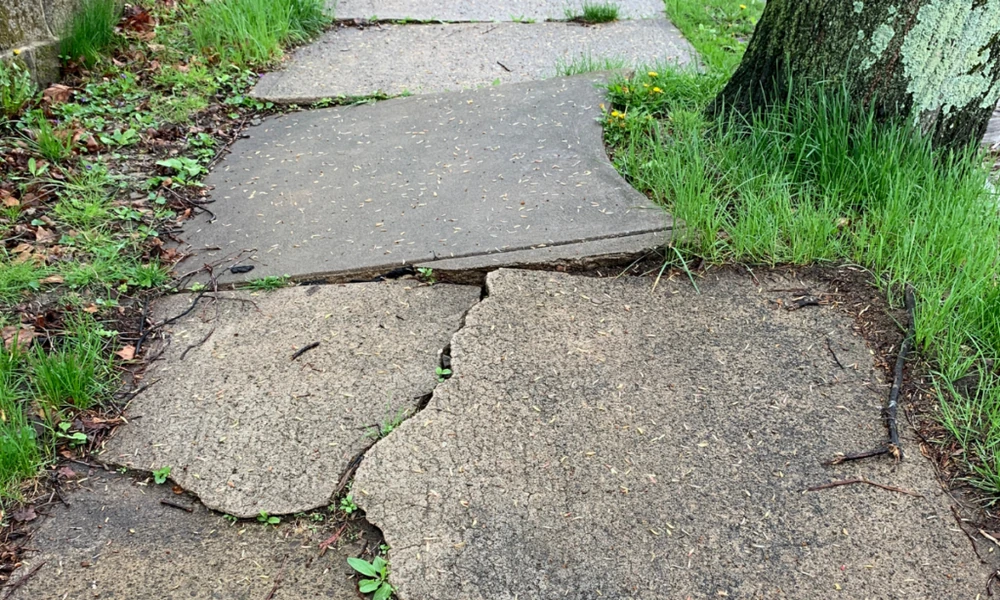
Negligent property management often results in hidden structural dangers that threaten unsuspecting pedestrians. Commercial building operators routinely overlook their daily flooring safety assessments to save corporate operational expenses. Injured individuals face immediate resistance from corporate insurance adjusters seeking minimal financial accountability. Overcoming corporate defense tactics requires analysing internal business records for systemic safety oversight failures. Legal resources help victims Discover Now how documentation flaws expose property owner liability clearly. Meticulous review of corporate safety accounts transforms standard injury assertions into major courtroom victories.
Uncovering Hidden Flaws within Corporate Safety Registries
Reviewing internal facility documents often exposes severe administrative discrepancies regarding property maintenance schedules. Inconsistent entries indicate corporate staff completely skipped mandatory flooring condition checks.
- Altered time signatures prove retroactive data entry after structural incidents.
- Missing personnel initials demonstrate total absence of employee safety shifts.
- Vague condition descriptions conceal ongoing hazards from corporate insurance auditors.
- Contradictory entry dates expose clear fabrication of building inspection histories. Unmasking fraudulent records forms the absolute core of building owner liability claims.
Auditing Commercial Property Compliance Violations Regularly
Property operators must follow strict regional building guidelines continuously to maintain public safety. Internal documents frequently reveal prolonged gaps between necessary facility floor repairs. Ignoring known structural issues reveals a reckless disregard for pedestrian well-being. Proving these ongoing violations forces insurance corporations to consider maximum financial pay-outs.
Tracking Historical Flooring Hazards over Long Durations
Prior incident records often highlight chronic problems with specific walking surfaces. Corporate management typically ignores minor building defects until major physical harm occurs. Tracking long-term oversight patterns establishes a clear history of business premises negligence. Historical proof prevents corporate defense groups from claiming incidents were unavoidable accidents.
Identifying Documented Corporate Negligence Discrepancies Systematically
Examiners frequently find massive differences between actual facility conditions and official record entries. Attentive checking reveals deep contradictions that indicate purposeful organizational concealment regarding known structural risks.
- Blank observation fields verify complete abandonment of mandatory cleaning schedules.
- Identical handwriting styles indicate single-session fabrication of multiple entries.
- Delayed reporting timelines prove that supervisors delayed recording known pedestrian hazards.
- Contradictory weather notations reveal staff cloned forms from previous months.
- Omitted repair invoices confirm management delayed hiring structural repair teams.
- Out-dated cleaning checklists demonstrate the utilization of obsolete safety guidelines.
- Unsigned manager reviews show a total breakdown in corporate safety oversight.
- Erasure marks suggest active destruction of unfavourable site inspection data.
Navigating Complicated Insurance Policy Defense Methods Safely
Insurance enterprises utilize aggressive delay tactics to systematically lower overall injury settlement valuations. Adjusters challenge incident timelines to shift blame away from negligent business owners. Legal action stops corporate entities from unfairly protecting their financial bottom lines.
Securing Essential Physical Proof Before Corporate Destruction
Hurt individuals must act quickly to stop businesses from deleting digital security footage. Requesting immediate data preservation ensures vital evidence remains accessible for forthcoming court trials. Property tracking tools allow claimants to Slip & Fall Injury Lawyer Pensacola critical evidentiary gaps before businesses conceal them permanently. Fast legal intervention protects foundational details from being destroyed by corporate risk managers.
Frequently Asked Questions
- How do administrative record gaps establish property owner liability? Unsigned forms prove building operators skipped mandatory floor safety assessments entirely.
- Can business owners delete facility surveillance footage after incidents? Statutory preservation letters legally block corporations from destroying relevant digital evidence.
- Why do adjusters request immediate recorded statements from victims? Insurers look for contradictions to reduce overall corporate settlement pay-out obligations.
Securing Just Settlement Resolutions Permanently
Overcoming corporate negligence demands aggressive examination of commercial facility inspection documents. Claimants must enforce strict transparency guidelines to reveal dangerous business maintenance shortcuts. Professional record analysis eliminates insurance defense arguments to ensure complete accountability for victims. Substantial financial recovery provides families with the necessary resources to manage long-term recovery goals. True resolution occurs when businesses prioritize public safety obligations over corporate financial earnings.
