

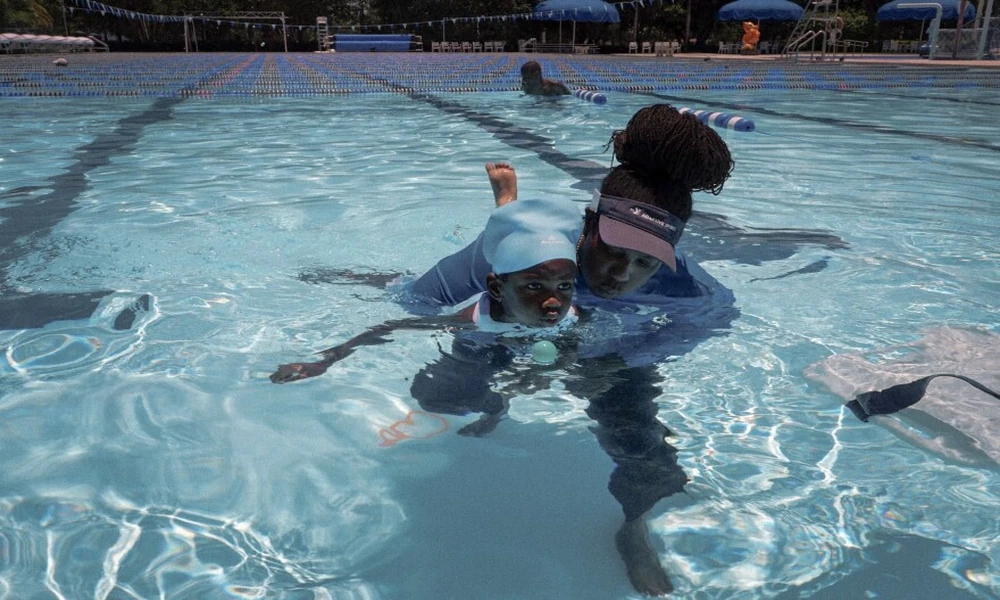
Nobody expects a backyard pool or an apartment complex pool to become the reason they need a lawyer. But pools are dangerous in ways that get overlooked until something actually happens, a missing safety fence, a slippery deck with no warning sign, a drain cover that was never properly maintained. Cameron Law has handled enough of these cases to know they usually come down to one question, whether someone else’s negligence caused real harm.
Why Pool Accidents Get Dismissed As Bad Luck
A child slips on a wet pool deck. An adult dives into water shallower than expected because no depth marker existed. These get written off as accidents in the everyday sense, unfortunate but nobody’s fault. Often, though, a property owner had a legal duty to maintain safe conditions and did not meet it.
Nevada law puts real responsibility on property owners and pool operators. Missing fencing around a residential pool, broken pool equipment left unrepaired, inadequate lifeguard supervision at a public facility, these are not just bad luck. They can be negligence.
What Actually Needs To Be Documented
- Photos of the hazard itself, taken as soon as possible after the incident
- Any prior complaints about the same hazard, if they exist
- Witness accounts from anyone present when the injury happened
- Medical records connecting the injury directly to the incident
Pool accident cases weaken fast when documentation gets delayed. Wet pavement dries. Broken equipment gets fixed. Waiting even a few days to gather evidence can mean losing the clearest proof available.
Spring Valley Cases Follow The Same Nevada Standards
A Swimming Pool Accident Lawyer Spring Valley residents turn to works within the same premises liability rules that apply across Nevada, though local apartment complexes and HOA managed pools in the area come with their own patterns of neglect worth knowing, things like shared maintenance responsibility disputes between property managers and pool service companies.
Why These Cases Often Involve More Than One Responsible Party
Pool accidents rarely trace back to a single obvious cause. A landlord might own the property while a separate company handles pool maintenance under contract. When something goes wrong, both parties sometimes try to point at each other, which can leave an injured person caught in the middle unless the case gets built carefully from the start.
Pool accidents get treated as bad luck more often than car accidents do, mostly because the danger feels less obvious in hindsight. The legal responsibility behind them, when negligence is actually involved, works the same way regardless of how ordinary the setting seemed beforehand.
